





- How to Get Rid of Varicose Veins: Modern Treatment Methods, Symptoms, and Prevention
- What Are Varicose Veins?
- Causes of Varicose Veins
- Main Symptoms of Varicose Veins
- Stages of Varicose Veins: How to Recognize the Disease at Each Stage
- Stage 1 — Compensation: “Just Fatigue”
- Stage 2 — Subcompensation: When Symptoms Become Obvious
- Stage 3 — Decompensation: Serious Complications
- Diagnosis of Varicose Veins: What to Do If You Have Symptoms?
- Varicose Vein Treatment in Lviv: What You Need to Know
- Prevention of Varicose Veins
How to Get Rid of Varicose Veins: Modern Treatment Methods, Symptoms, and Prevention
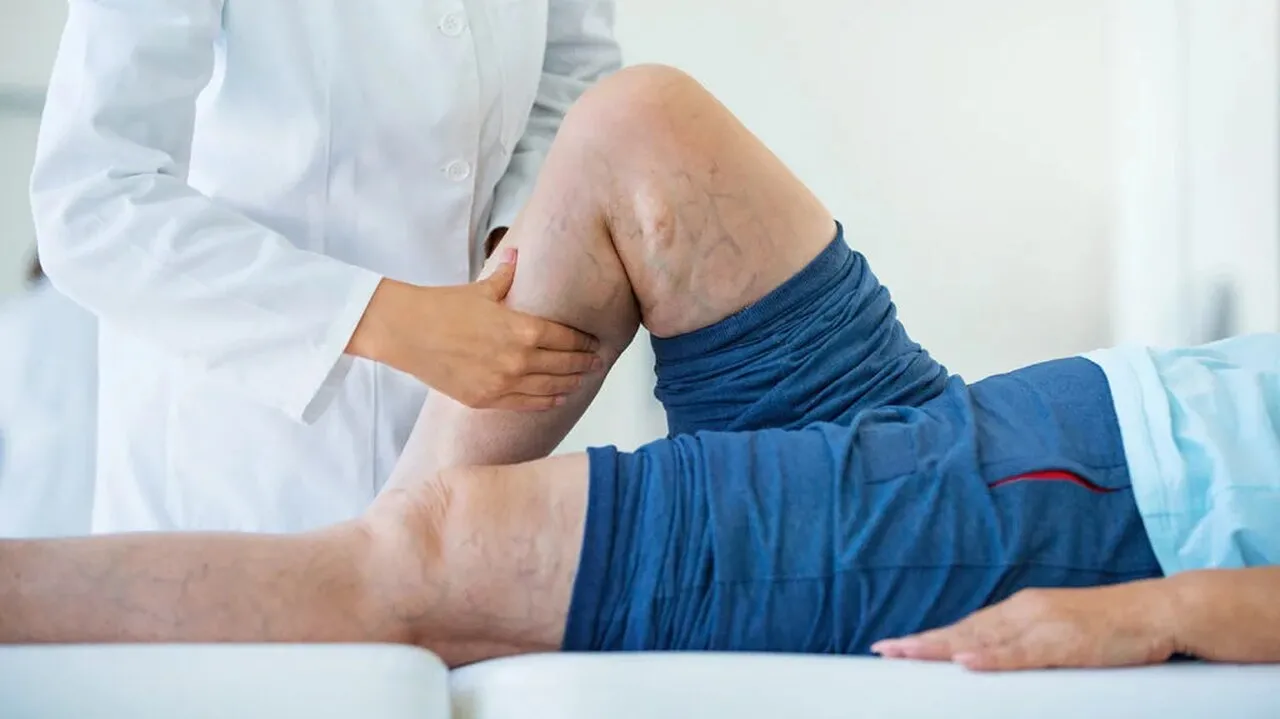
Varicose veins are not just visible spider veins on the legs. This condition significantly worsens quality of life. Swelling, pain, and heaviness in the legs at the end of the day are only the first symptoms, which over time may develop into thrombophlebitis or trophic ulcers.
The good news is that modern treatment methods make it possible to get rid of varicose veins once and for all — without pain, scars, or long recovery. Specialists at the Korona Clinic explain:
how to recognize varicose veins at an early stage;
which treatment methods are the most effective;
how to prevent the disease from developing.
What Are Varicose Veins?
Varicose veins are a disease in which the venous wall becomes thinner and the vein lumen enlarges. As a result, veins lose their elasticity and change their shape.
According to statistics, varicose disease occurs in at least 40% of women and 20% of men, especially after the age of 30. However, it is sometimes diagnosed at a younger age, with equal frequency in young men and women.
The disease usually develops due to an imbalance of collagen and elastin in the body. A major risk factor is heredity, when a mutated gene responsible for the structure of vessel walls is passed down.
People who have sedentary or standing jobs, as well as those who are overweight, are also at risk of developing varicose veins.
Causes of Varicose Veins
Varicose veins are the result of impaired normal blood circulation, when venous valves stop functioning properly. Blood stagnates in the lower extremities, creating excessive pressure on the vein walls, which gradually stretch and deform.
Varicose disease can be caused by both heredity and acquired weakness of the veins due to:
Heredity — the most significant factor. If your parents or grandparents had varicose veins, your risk increases by 70–80%. What is inherited is the predisposition to weakness of venous walls and valves.
Sedentary lifestyle, which leads to blood stagnation in the legs. Office workers, drivers, and cashiers are especially at risk.
Occupational strain — prolonged standing (hairdressers, salespeople, surgeons) or heavy lifting constantly stresses the venous system.
Hormonal changes in women during pregnancy, menopause, or while taking hormonal contraceptives weaken venous walls and slow blood flow.
Excess weight, which increases the load on the legs and makes venous blood outflow more difficult.
Diseases of the pelvic organs (prostatitis, gynecological conditions), which can disrupt venous outflow and provoke varicose veins.
Main Symptoms of Varicose Veins
Signs of lower limb venous disease include:
heaviness and pain in the legs, worsening in the evening;
swelling of the legs;
appearance of spider veins and venous nodes;
trophic skin changes;
pigmentation spots and ulcers.
If pain and heaviness in your legs bother you every evening, it is better not to wait for further symptoms but to consult a phlebologist at the Korona Medical Center in Lviv. We will perform diagnostics and select the most effective treatment for you.
Stages of Varicose Veins: How to Recognize the Disease at Each Stage
There are several classifications of varicose disease stages. In Ukraine, the most commonly used system divides the disease into three stages:
Stage 1 — Compensation: “Just Fatigue”
At the initial stage, varicose veins are almost invisible. The only visible signs are thin spider veins and vascular networks, which many people consider a cosmetic issue.
Symptoms not to ignore:
heaviness in the legs at the end of the day;
mild swelling that disappears after rest;
feeling of fullness in the calves;
rapid leg fatigue while walking.
Many people attribute these symptoms to tiredness or uncomfortable shoes. However, treatment at this stage is the most effective and may be limited to conservative methods.
Stage 2 — Subcompensation: When Symptoms Become Obvious
Venous insufficiency progresses, and symptoms become more pronounced. Clearly visible bluish-green dilated veins appear on the legs.
Typical signs:
nighttime calf cramps;
swelling that does not disappear after sleep;
pain and pressure in the legs after prolonged standing.
At this stage, conservative treatment is less effective, so doctors recommend minimally invasive procedures.
Stage 3 — Decompensation: Serious Complications
The most severe stage, when tissue nutrition is impaired and dangerous complications may develop.
Symptoms:
persistent severe swelling;
skin discoloration — darkening, brown spots;
dryness, peeling, and cracks of the skin;
constant itching and burning;
dermatitis and eczema;
trophic ulcers that heal poorly.
Important! At the third stage, there is a high risk of thrombophlebitis — inflammation of the veins with blood clot formation, which can be life-threatening.
Diagnosis of Varicose Veins: What to Do If You Have Symptoms?
The first step is a consultation with a phlebologist, who evaluates visible signs, collects medical history, and assesses risks.
An ultrasound examination of the lower limb veins (duplex scanning) is also performed. This is the most informative diagnostic method, allowing doctors to assess the condition of the venous wall and valves and detect blood clots. Ultrasound helps determine the exact stage of vein damage.
Based on the results, the doctor develops a personalized treatment plan, taking into account the stage of the disease, comorbidities, and the patient’s lifestyle.
Varicose Vein Treatment in Lviv: What You Need to Know
Varicose veins require surgical treatment. Today, treatment is performed using modern minimally invasive techniques, including:
radiofrequency ablation;
sclerotherapy;
classical open venectomy.
All varicose vein surgeries are performed under ultrasound guidance, which allows doctors to precisely identify damaged veins and minimize the risk of injury to surrounding tissues.
Radiofrequency ablation is an intravascular thermal effect on vein walls using radiofrequency energy, which closes the lumen of the damaged vessel. It is one of the best, painless, and fastest treatment methods available today.
Laser ablation is a safe method that uses laser energy to seal the affected vein, which is then gradually absorbed by the body.
Sclerotherapy is a modern treatment method involving the injection of a special drug (sclerosant) into the vein, causing its walls to stick together and the vein to dissolve over time.
Advantages of all three methods:
high effectiveness due to precision;
suitability for complex cases (skin induration or trophic ulcers);
excellent cosmetic result (no scars);
short recovery period without significant lifestyle restrictions;
painless and well tolerated, allowing treatment even after childbirth.
Classical venectomy (phlebectomy) is sometimes the only effective method at advanced stages, especially when other techniques have not produced results. Most often, a combined operation is performed, involving ligation of the great saphenous vein and removal of large venous trunks and altered vein sections. This method is very effective but cannot be used during pregnancy or in patients with cardiovascular diseases. The rehabilitation period lasts up to one month.
Prevention of Varicose Veins
To reduce the risk of developing varicose veins, follow these recommendations:
Movement is the best prevention. Avoid prolonged sitting or standing. Take breaks for short walks to activate blood circulation.
Regular physical activity. Swimming, yoga, walking, and cycling are ideal for maintaining venous tone.
Compression hosiery. Special stockings or knee-highs reduce venous load, especially during long trips or standing work.
Weight control and balanced nutrition. Excess weight increases pressure on blood vessels. Eat foods rich in fiber, vitamins C and E, and rutin to strengthen vessel walls.
Avoid bad habits. Smoking worsens blood circulation, and excessive alcohol intake disrupts water-salt balance.
Contrast showers for the legs. Alternating warm and cool water tones vessels and improves venous outflow.
Elevate your legs above heart level. Especially after a long day or before sleep, to reduce swelling and improve circulation.
Concerned about varicose veins?
We invite you to a consultation with a vascular surgeon at our clinic!
To book an appointment, please call: (050) 282 98 68, (068) 776 65 54.
At the Korona Medical Center, patients leave within just 60 minutes without annoying spider veins, vascular webs, or bulging veins!
- How to Get Rid of Varicose Veins: Modern Treatment Methods, Symptoms, and Prevention
- What Are Varicose Veins?
- Causes of Varicose Veins
- Main Symptoms of Varicose Veins
- Stages of Varicose Veins: How to Recognize the Disease at Each Stage
- Stage 1 — Compensation: “Just Fatigue”
- Stage 2 — Subcompensation: When Symptoms Become Obvious
- Stage 3 — Decompensation: Serious Complications
- Diagnosis of Varicose Veins: What to Do If You Have Symptoms?
- Varicose Vein Treatment in Lviv: What You Need to Know
- Prevention of Varicose Veins