





Blepharoplasty (Eyelid Surgery)
Blepharoplasty is a surgical procedure that helps correct age-related changes around the eyes, reduce puffiness, and improve the overall appearance of the eyelids. According to Ukrainian plastic surgeons, it is one of the most commonly performed procedures, alongside rhinoplasty and breast augmentation.
The surgery can not only eliminate drooping upper eyelids and remove under-eye bags but, in some cases, also improve vision if the eyelids were obstructing the visual field. Thanks to modern surgical techniques, the recovery period after eyelid surgery is now much shorter and more comfortable.
What Is Blepharoplasty?
Blepharoplasty is an operation on the upper and/or lower eyelids that involves removing excess skin and fat deposits. Its goal is to improve the aesthetic appearance of the eye area and, when necessary, restore proper eyelid function.
Eyelid surgery in Lviv is equally popular among women and men. Under-eye bags are often hereditary and tend to become more noticeable after the age of 30, which is why blepharoplasty is also commonly performed by younger patients.
Who Is a Good Candidate for Blepharoplasty?
Indications for eyelid surgery include:
- Drooping upper eyelid skin that affects vision or creates a tired appearance (upper eyelid lift may be recommended)
- Noticeable under-eye bags or puffiness
- Age-related changes in the skin around the eyes
- Fatty herniation of the eyelids
Contraindications include:
- Glaucoma
- Dry eye syndrome
- Active inflammation or eye infections
- Cancer in the active treatment phase
- Severe flare-ups of chronic illnesses
What Types of Blepharoplasty Are There?
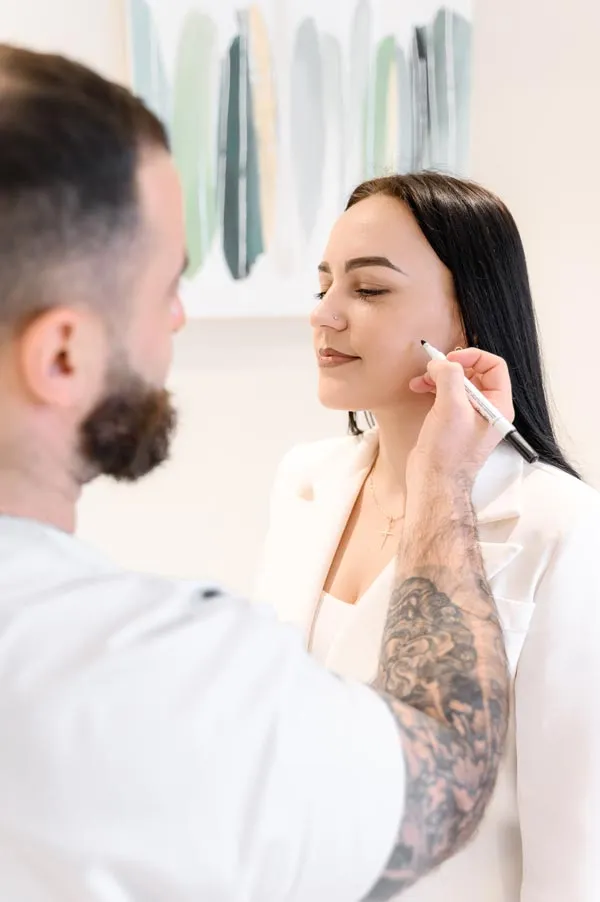
There are several main types of blepharoplasty, and the choice depends on the patient’s individual needs. Each technique targets a specific area of the eyelids and helps resolve different aesthetic or functional concerns. Before surgery, the surgeon takes photographs of the eye area and marks the planned incision lines to precisely plan the procedure.
Upper Eyelid Surgery
Upper blepharoplasty involves the surgical or laser removal of excess skin from the upper eyelids. The result is a more open, refreshed, and youthful appearance, with a noticeable reduction in a tired or heavy look.
During upper eyelid surgery in Lviv, patients are typically given local anesthesia with sedation (combined anesthesia). The surgeon makes a precise incision along the natural eyelid crease, through which excess skin is removed and, if necessary, fatty hernias are corrected. After reshaping the eyelid contour, the incision is closed with fine, barely visible sutures. A sterile dressing is then applied. The procedure usually lasts 40–90 minutes.
Lower Eyelid Surgery
Lower blepharoplasty focuses on removing under-eye bags, puffiness, and fine wrinkles in the lower eyelid area. It helps improve the eye contour and creates a fresher, more youthful appearance. Technically, this procedure is considered more complex than upper eyelid surgery.
It is most often performed under combined anesthesia, although general anesthesia may be recommended in some cases. After preparing the surgical area, the surgeon makes an incision just below the lash line or inside the eyelid (transconjunctival approach). Through this access, excess fat is removed or redistributed, and excess skin is carefully corrected if needed. Fine cosmetic sutures are then applied, although they may not be required with the internal approach. The procedure typically lasts 60–90 minutes.
Circular (Combined) Blepharoplasty
Circular blepharoplasty is a combined procedure that corrects both the upper and lower eyelids during a single operation. It is recommended for patients with pronounced age-related changes or combined eyelid concerns. The result is a comprehensive rejuvenation of the eye area and a more balanced facial appearance.
In Lviv, this procedure is performed under combined or general anesthesia and lasts approximately 1.5 to 3 hours. The surgeon begins with the upper eyelids, making an incision in the natural crease, removing excess skin, and correcting fatty hernias if necessary. The procedure then continues with the lower eyelids, where excess fat is adjusted or removed, and any extra skin is corrected. Finally, fine cosmetic sutures are applied.
Laser Blepharoplasty
Laser blepharoplasty differs from traditional surgery in that excess skin and fat are removed using a laser beam instead of a scalpel. The laser also stimulates skin tightening and regeneration, helping improve overall skin quality. In addition, it reduces bleeding and shortens the recovery period. This method is best suited for mild to moderate eyelid concerns.
The procedure is usually performed under local anesthesia and may be combined with intravenous sedation if needed. The surgeon makes precise laser incisions that simultaneously seal blood vessels, reducing the risk of swelling and bruising. During the procedure, small fat deposits are corrected or removed, and excess skin is eliminated. The procedure typically lasts from 40 minutes to 1.5 hours.
How Long Is the Recovery After Blepharoplasty, and When Does Swelling Go Away?
During the first 1–3 days after blepharoplasty, mild swelling, bruising around the eyes, and slight discomfort are normal. Cold compresses are recommended several times a day to help reduce swelling. It is also important to rest and keep your head elevated, while avoiding physical activity.
Between days 3 and 7, swelling and bruising gradually begin to subside. During this period, you should follow your doctor’s recommendations and use any prescribed eyelid care products. If sutures were placed, they are usually removed between the 5th and 7th day.
Within 1–2 weeks, most of the swelling and bruising typically disappear, and patients can return to work. However, intense physical activity, as well as visits to saunas or swimming pools, should still be avoided.
By weeks 4–6, the eyelids regain a more natural contour, and any scars become lighter and less noticeable. Full tissue healing usually takes 1 to 3 months, after which the final results can be fully evaluated. Patients can usually return to active sports about one month after the procedure.
Why Do Patients Choose Our Clinic for Eyelid Surgery in Lviv?
Korona Clinic in Lviv has over 9 years of experience in plastic surgery, including blepharoplasty. Our plastic surgeons have performed hundreds of eyelid procedures and use modern techniques and equipment to achieve natural-looking results while minimizing the risk of complications.
Our doctors regularly attend advanced training programs and have gained international experience. We offer a wide range of modern eyelid surgery techniques and personalized treatment plans tailored to each patient’s needs.
We also provide a convenient schedule, making it easy to book a consultation with a plastic surgeon in Lviv. You can fill out the form on our website or call us directly: (068) 776 65 54; (050) 282 98 68.
PRICE


FAQ
No pain is felt during the procedure thanks to anesthesia. After surgery, mild discomfort is possible, but it is usually well controlled with pain medication. The level of discomfort varies depending on the extent of the procedure and individual sensitivity.
Incisions are made along the natural folds of the eyelids, making them barely noticeable. Over time, scars fade and become almost invisible, especially with proper aftercare and the use of recommended silicone-based products.
The cost depends on the complexity and extent of the procedure. At our clinic in Lviv, pricing is competitive and includes experienced surgical care as well as comprehensive postoperative support.
Yes, it is often combined with procedures such as a facelift, microcurrent therapy, facial peels, and injectable treatments (including botulinum toxin, biorevitalization, and fillers). This approach allows for more comprehensive facial rejuvenation and enhanced overall results.